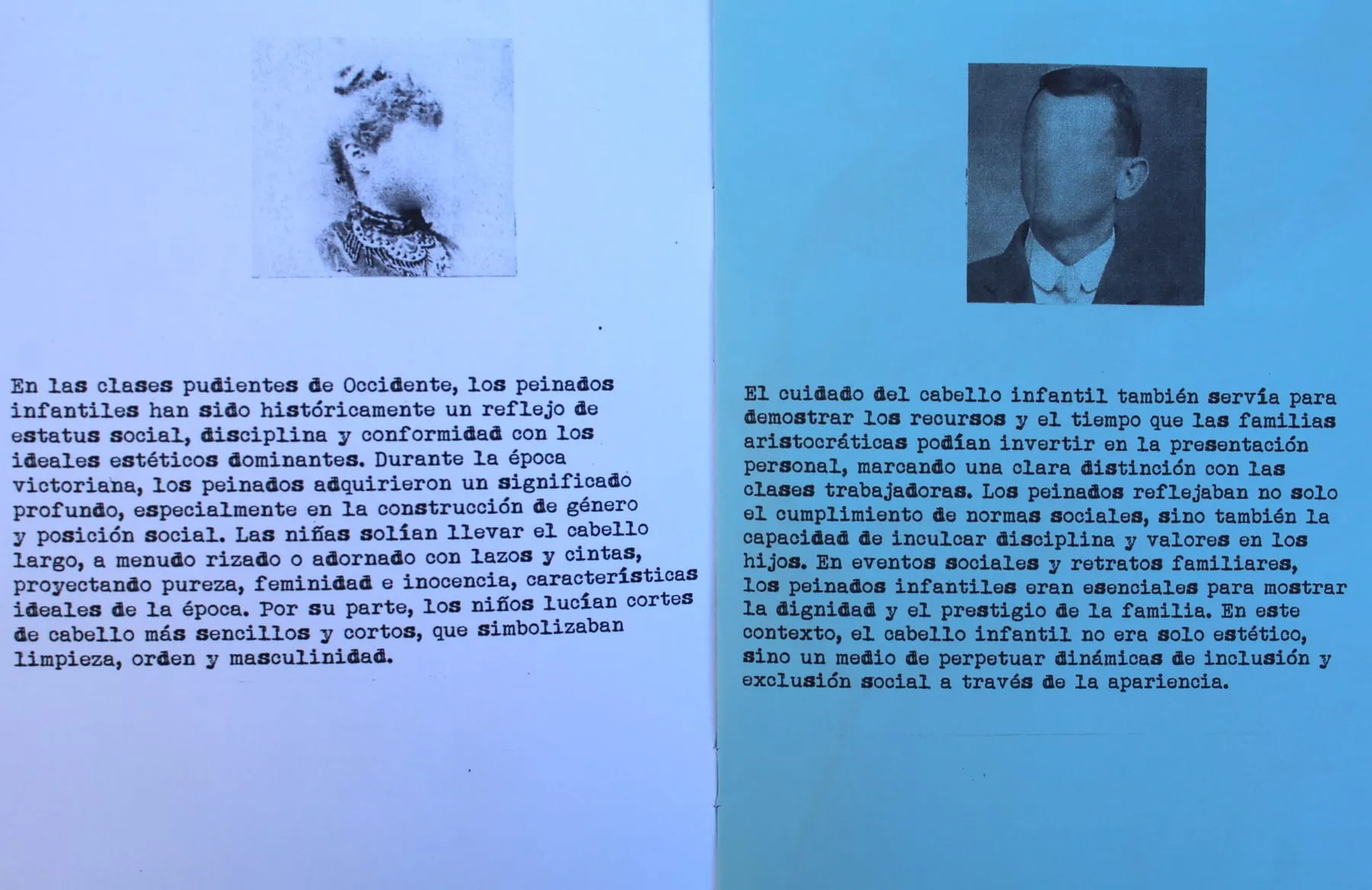
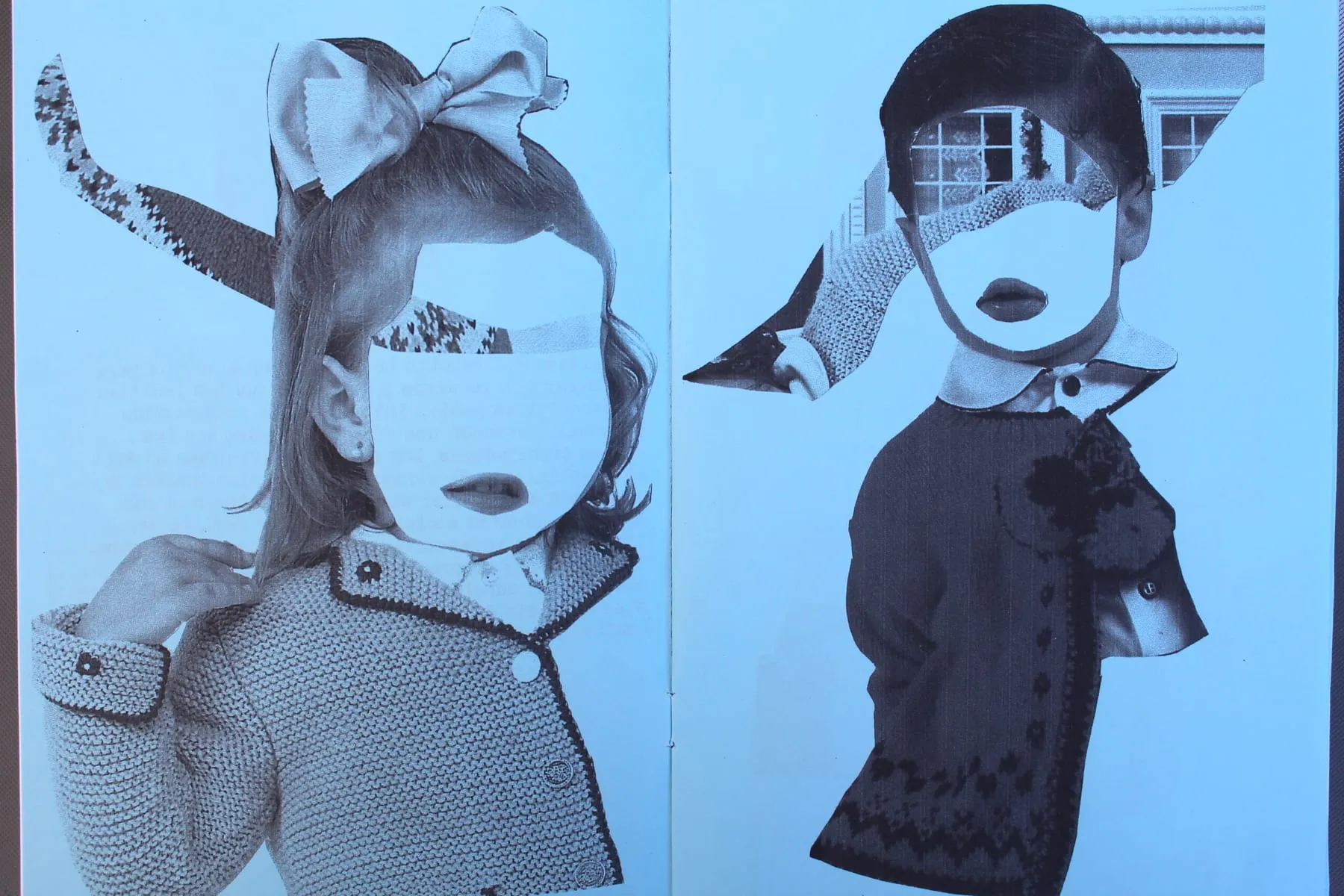
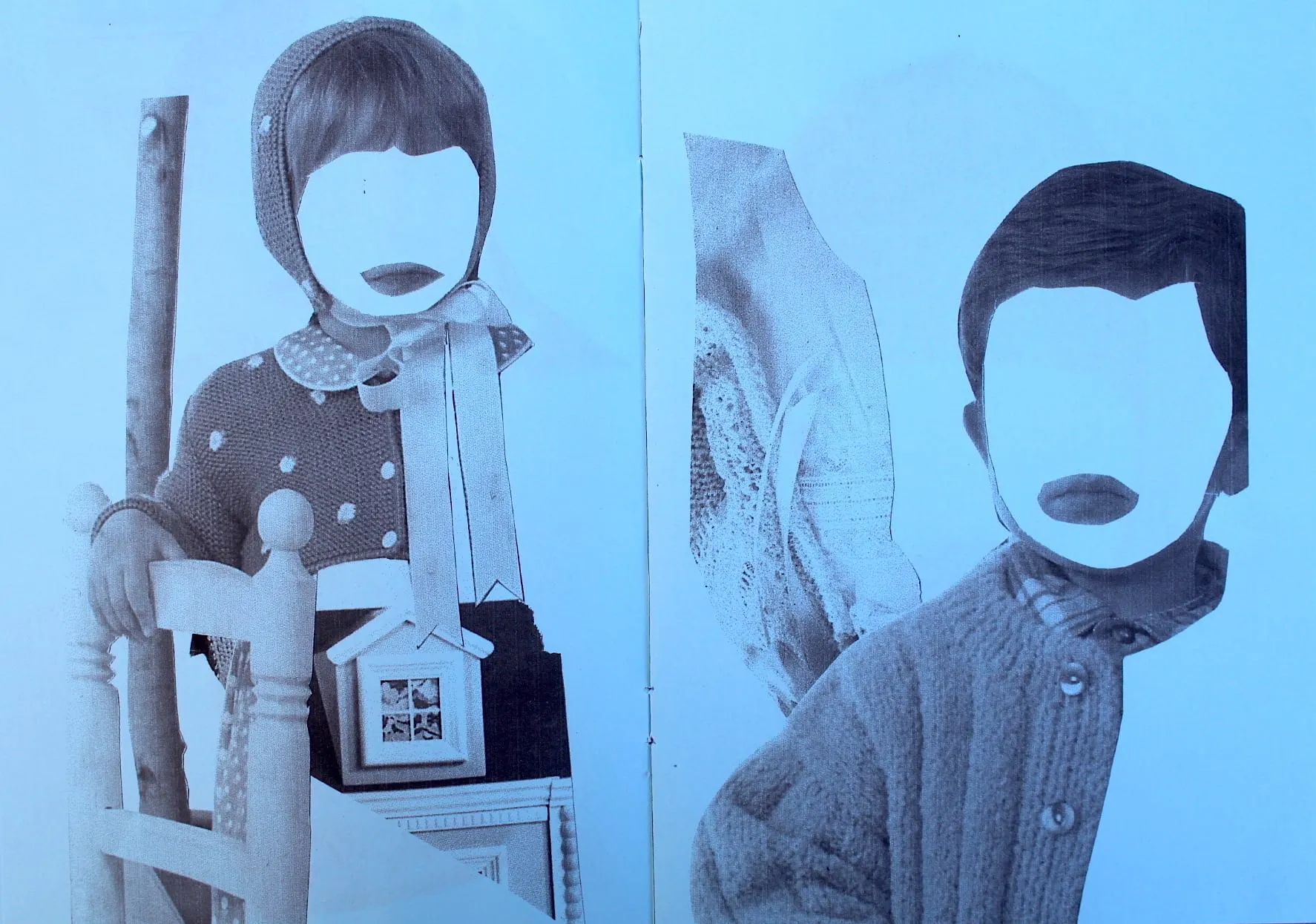
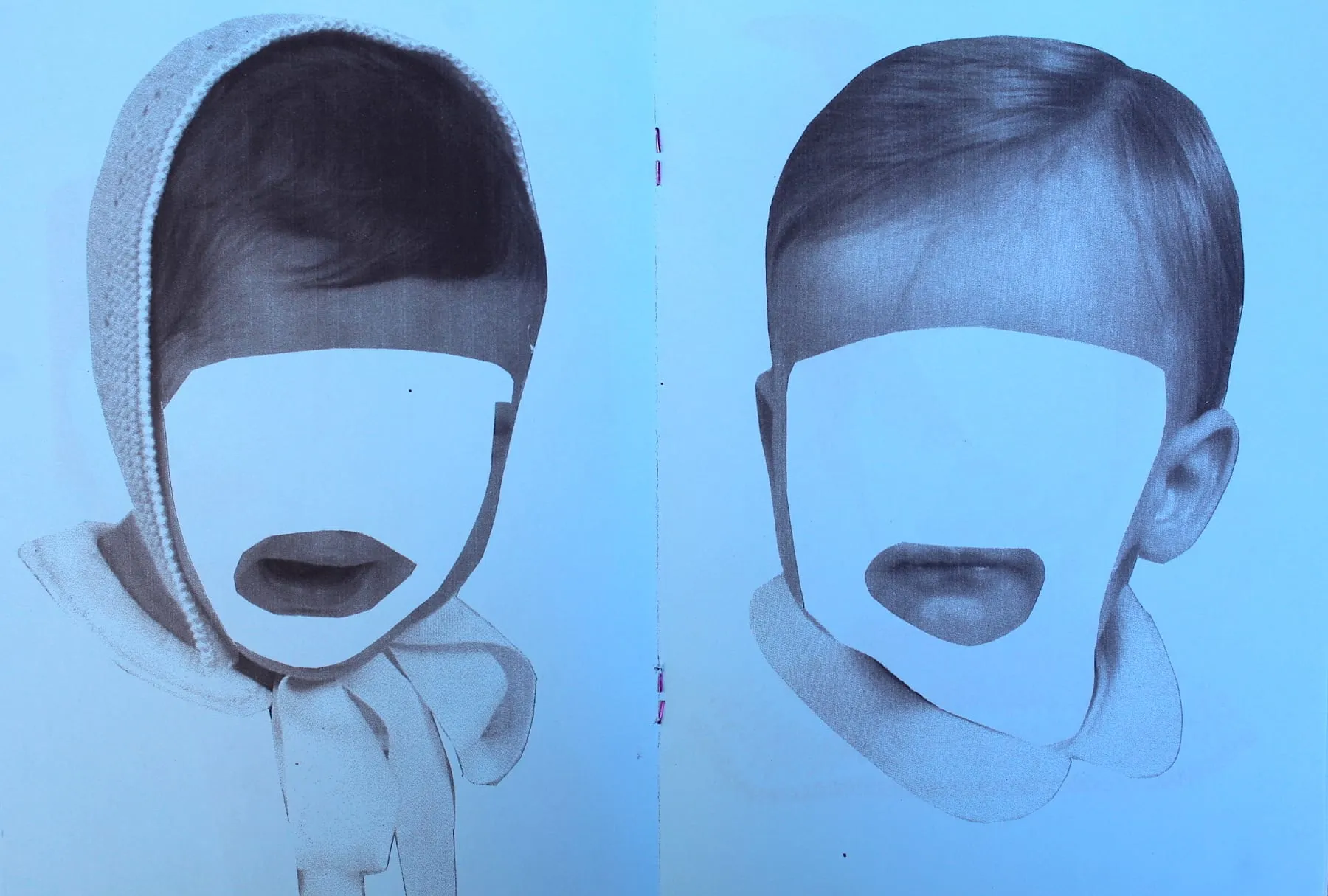
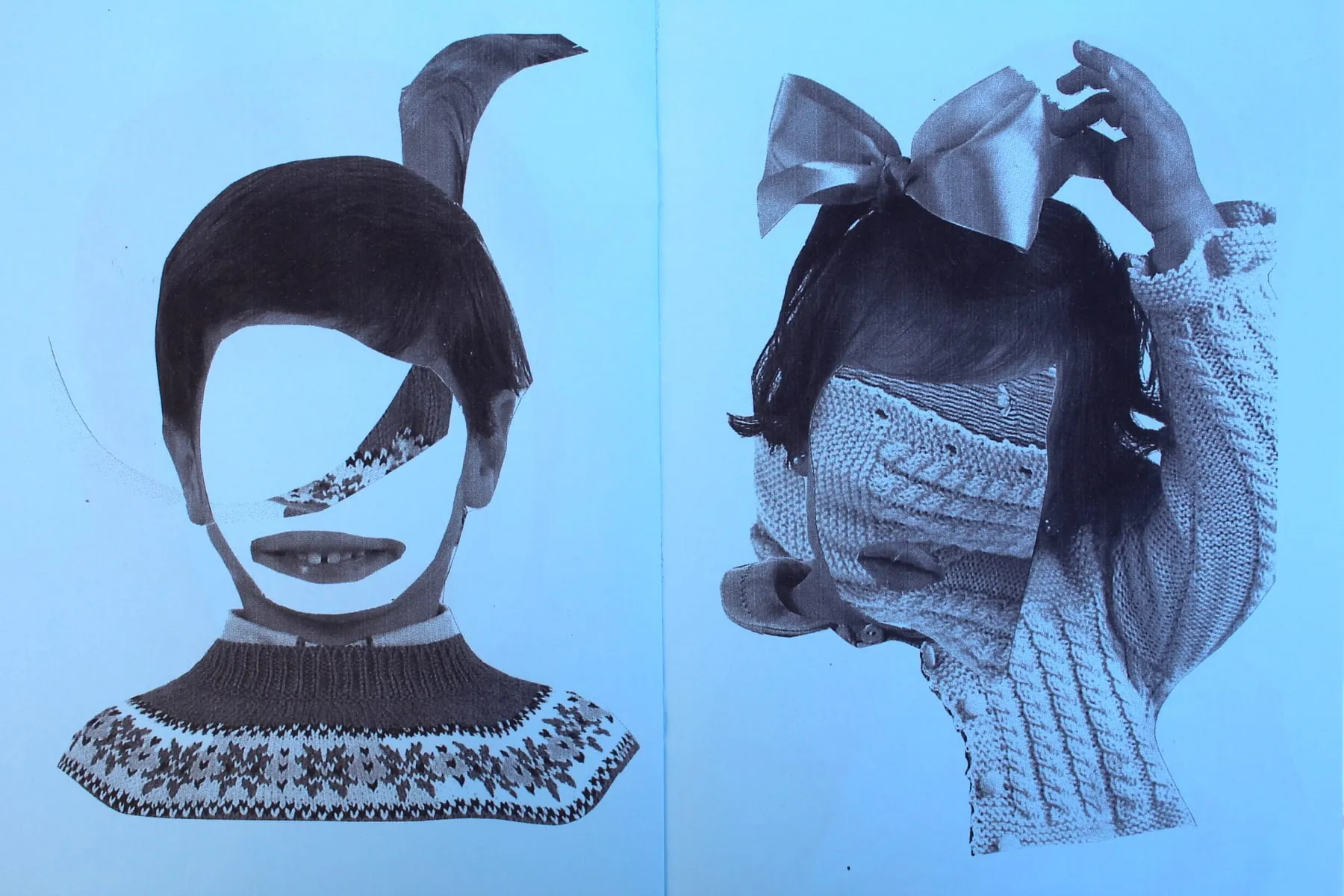
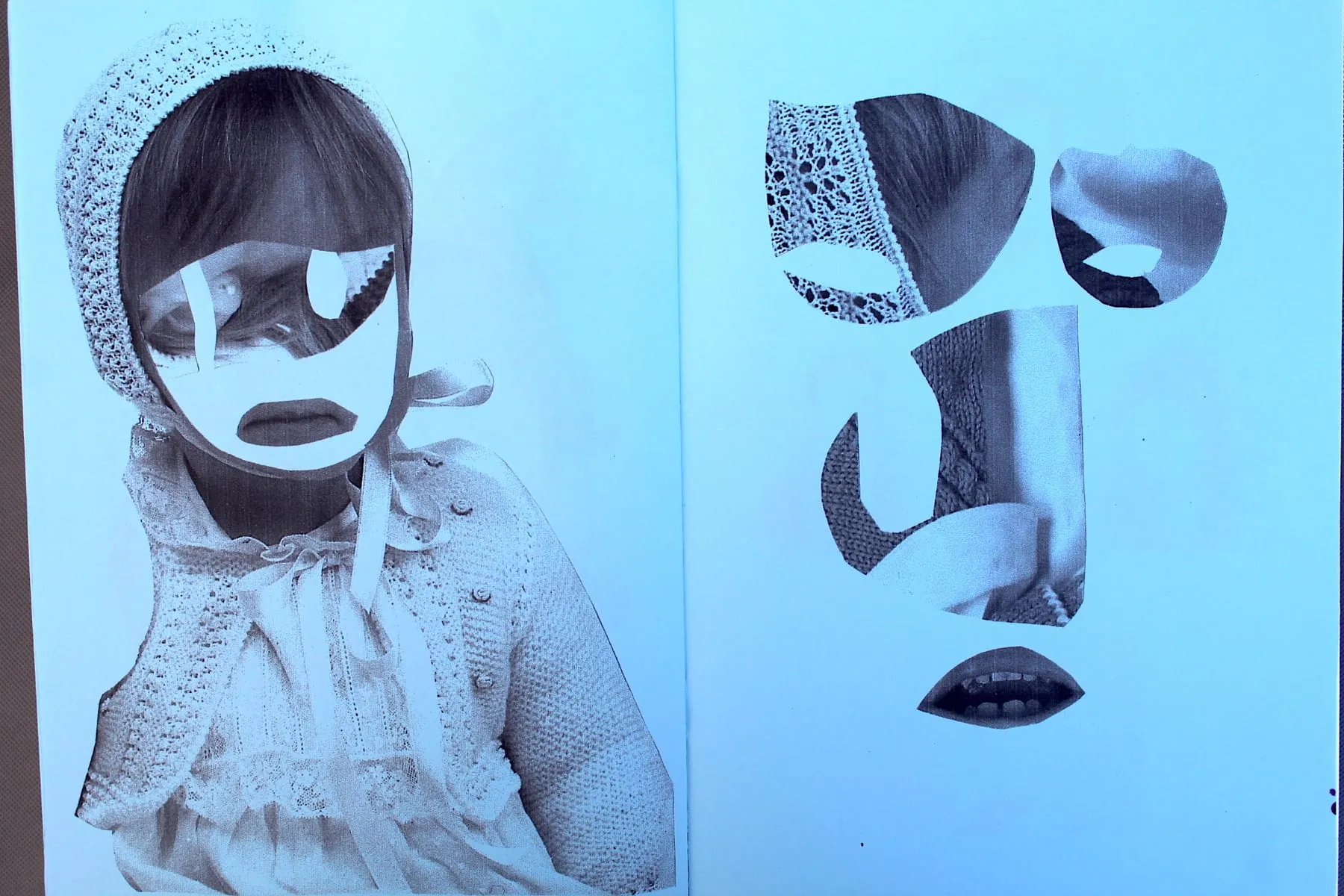
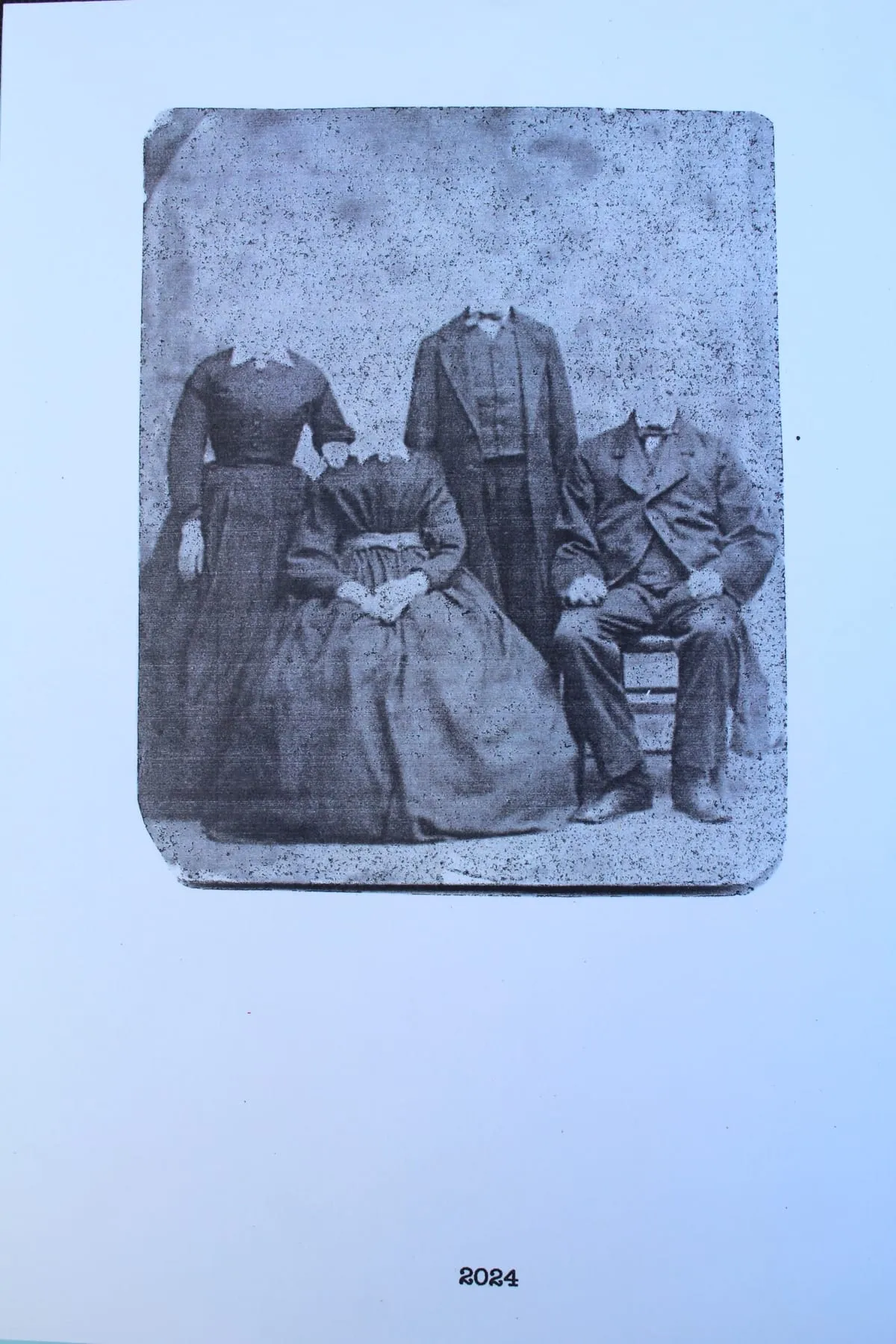
Among the wealthy classes of the West, children's hairstyles have historically reflected social status, discipline and conformity with the prevailing aesthetic ideals. In the Victorian era, hairstyles took on a deep meaning, especially in the construction of gender and social position. Girls usually wore their hair long, often curled or adorned with bows and ribbons, projecting purity, femininity and innocence — the ideal traits of the time. Boys, on the other hand, wore simpler, shorter cuts symbolising cleanliness, order and masculinity.
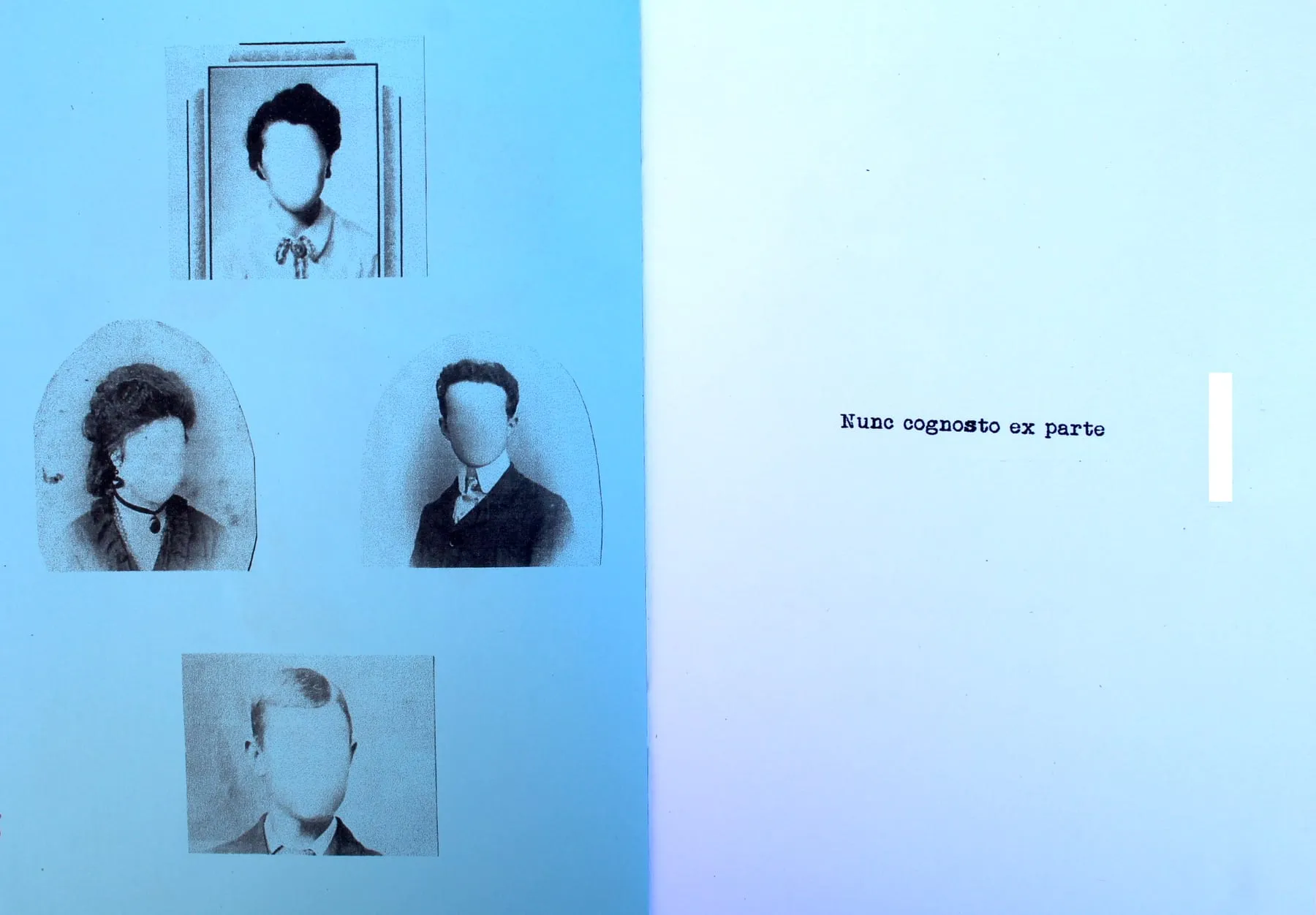
The care of children's hair also served to display the resources and time aristocratic families could invest in personal presentation, marking a clear distinction from the working classes. Hairstyles reflected not only compliance with social norms but also the ability to instil discipline and values in children. At social events and in family portraits, children's hairstyles were essential to show the dignity and prestige of the family. In this context, children's hair was not merely aesthetic: it was a means of perpetuating dynamics of social inclusion and exclusion through appearance.